
Rishikesh Rafting & Tourism
About Rishikesh
Situated in the backdrop of Himalayas with pristine Ganga flowing through it, the ancient town of Rishikesh is one of the most visited tourist place and a pilgrimage hub in Northern India, where people come and attain peace. Rishikesh is commonly referred to as the ‘Yoga Capital of World’. This place is always full with visitors, who come here to learn yoga and meditation. Many youngsters come and enjoy the adventure activities like Rishikesh Rafting, Camping, Bungee Jumping, and many more adventurous things. Tourism in Rishikesh gets the unique mist of mythology and adventure because of the belief and faith on the holy river Ganga on the banks of which Rishikesh is situated. Nowadays Rishikesh tourism is attracting tourists through river rafting activities.
Places To Visit In Rishikesh
The historic and mythological city of Rishikesh have so many things to explore and visit. There are variety of reasons for visiting Rishikesh like for family vacation, for rafting, for adventure activity , for camping or for pilgrimage.
Listed below are the top places to visit in Rishikesh which should be on your Rishikesh tourism map.
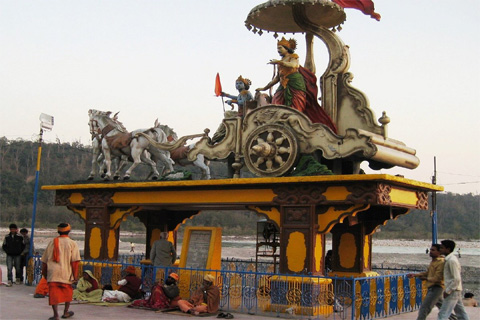
Treveni Ghat
Triveni Ghat is considered a holy spot in Rishikesh and is believed to be the confluence of three sacred rivers, the Ganges, Yamuna, and Saraswati. The ghat is known for its beautiful and serene atmosphere, and it is a popular spot for meditation, prayer, and relaxation. It is a common ritual for Hindus to take a dip in the Ganges river at Triveni Ghat and offer prayers to the river. The ghat is especially crowded during the evening aarti (prayer ceremony) held daily on the banks of the river. The aarti is a spiritual ceremony where offerings are made to the river and is a must-see event for visitors. Triveni Ghat also has a market nearby where you can buy souvenirs, clothes, and other items. The ghat is easily accessible from Rishikesh town and can be reached by foot, auto-rickshaw, or taxi. It is advised to dress modestly while visiting Triveni Ghat, and to be respectful of the local customs and rituals.
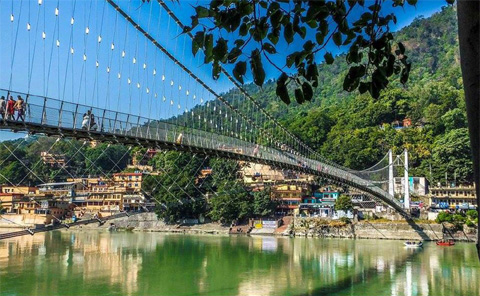
Laxman Jhula
Laxman Jhula is a 450 feet long suspension bridge that spans the Ganges river and connects the two banks of the river. The bridge is named after Lord Laxman, the brother of Lord Rama from the Hindu epic Ramayana, who is said to have crossed the river on a jute rope at the same spot where the bridge is built. The bridge is a popular spot for tourists, who come here to enjoy the scenic views of the river and the surrounding hills. Laxman Jhula is also known for its spiritual significance, and there are many ashrams and temples located in the vicinity, including the famous Parmarth Niketan Ashram. You can also find many shops and restaurants near the bridge, selling souvenirs, clothes, and food items. Visitors can also enjoy activities like bungee jumping and ziplining near the bridge. It is advisable to visit Laxman Jhula during the daytime, as the bridge can get crowded in the evenings. The bridge is easily accessible from Rishikesh town and can be reached by foot, auto-rickshaw, or taxi.

Ram Jhula
Ram Jhula is a 450 feet long suspension bridge that spans the Ganges river and connects the two banks of the river. The bridge is named after Lord Rama, the hero of the Hindu epic Ramayana, who is said to have crossed the river on a jute rope at the same spot where the bridge is built. Ram Jhula is located a few kilometers upstream from Laxman Jhula, and is less crowded than its more famous counterpart. The bridge is a popular spot for tourists, who come here to enjoy the scenic views of the river and the surrounding hills. Ram Jhula is also known for its spiritual significance, and there are many ashrams and temples located in the vicinity, including the famous Swarg Ashram. Visitors can also enjoy activities like boating and rafting near the bridge. It is advisable to visit Ram Jhula during the daytime, as the bridge can get crowded in the evenings. The bridge is easily accessible from Rishikesh town and can be reached by foot, auto-rickshaw, or taxi.
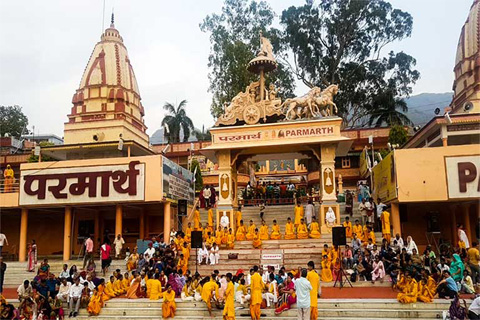
Parmarth Niketan
Parmarth Niketan is a renowned ashram located in Rishikesh, Uttarakhand, India. It is one of the largest ashrams in Rishikesh, and is a popular destination for spiritual seekers and yoga enthusiasts. Parmarth Niketan is situated on the banks of the Ganges river, in the lap of the Himalayas. It is a serene and peaceful retreat, offering visitors a chance to immerse themselves in spirituality and yoga. The ashram offers a wide range of programs and activities, including yoga and meditation classes, spiritual discourses, chanting and prayer sessions, and Ayurvedic treatments. Parmarth Niketan is also known for its social and environmental initiatives. It runs many charitable programs, including a school for underprivileged children, a hospital, and an environmental conservation project. The ashram has many beautiful gardens and temples, including the famous Ganga Aarti Ghat, where a daily aarti (prayer ceremony) is held in the evening. Visitors can also stay at the ashram, which offers comfortable accommodations and vegetarian meals. The ashram is open to visitors of all faiths and nationalities, and welcomes everyone who is interested in learning about spirituality and yoga. It is advisable to dress modestly and follow the rules and regulations of the ashram while visiting.
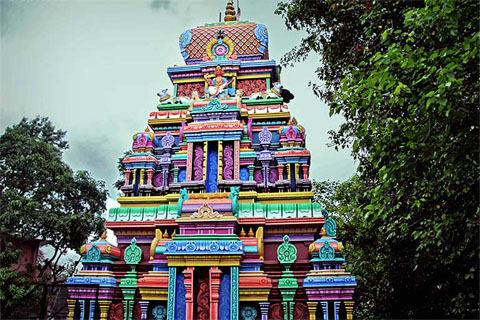
Neelkanth Mahadev
Neelkanth Mahadev Temple is a Hindu temple located in Rishikesh, Uttarakhand, India. It is dedicated to Lord Shiva, and is one of the most important temples in the region. The temple is located at a height of 1330 meters, in the midst of the beautiful Nar-Narayan mountain range. It is situated about 32 kilometers from Rishikesh, and can be reached by road or by trekking. The temple is believed to be the site where Lord Shiva drank the poison that emerged from the churning of the cosmic ocean, and thus earned the name Neelkanth (blue-throated). The temple architecture is a blend of traditional and modern styles, with intricate carvings and colorful murals adorning the walls and ceilings. The temple is surrounded by natural beauty, with the Ganges river flowing nearby and lush forests all around. It is a popular destination for trekkers and nature lovers. The temple is open to visitors from early morning till late evening. Devotees can offer prayers and perform rituals at the temple, and can also take a dip in the nearby natural hot water springs. The temple attracts a large number of visitors during the annual Shivratri festival, when thousands of devotees come to offer prayers and seek blessings. It is advisable to dress modestly and follow the rules and regulations of the temple while visiting
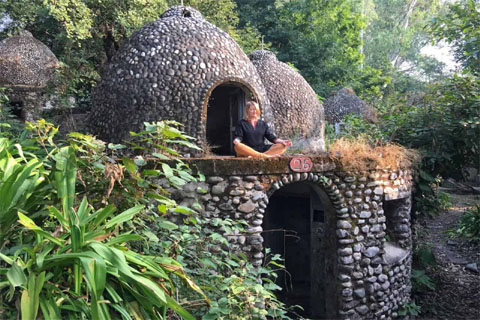
Beatles Asharam
The Beatles Ashram, also known as the Maharishi Mahesh Yogi Ashram, is a former ashram located in Rishikesh, Uttarakhand, India. It gained worldwide fame after the Beatles, one of the most famous bands in history, spent time here in 1968 to learn meditation and study Transcendental Meditation with the Maharishi Mahesh Yogi. The ashram was established in the 1960s by the Maharishi Mahesh Yogi, who was a spiritual leader and a proponent of Transcendental Meditation. The ashram was used for teaching meditation and spiritual practices to visitors from all over the world. The Beatles, along with other celebrities like Mia Farrow, Donovan, and Mike Love, visited the ashram in 1968 to learn Transcendental Meditation from the Maharishi. They spent several weeks here, during which they wrote many of their iconic songs, including "Dear Prudence", "Sexy Sadie", and "Revolution". The ashram was abandoned in the 1990s and fell into disrepair, and became a popular spot for graffiti artists and nature enthusiasts. In recent years, the ashram has been cleaned up and renovated, and is now open to visitors. It has become a popular tourist destination in Rishikesh, with many people coming to explore the abandoned buildings and artwork, and to pay tribute to the Beatles and their music. The ashram has many beautiful murals and graffiti art adorning the walls of the buildings, and there are also several meditation caves and halls where visitors can meditate and practice yoga. The Beatles Ashram is located in the Rajaji National Park and is accessible by foot, auto-rickshaw or taxi. Visitors need to pay a small entry fee to visit the ashram, and are advised to follow the rules and regulations of the park and the ashram.
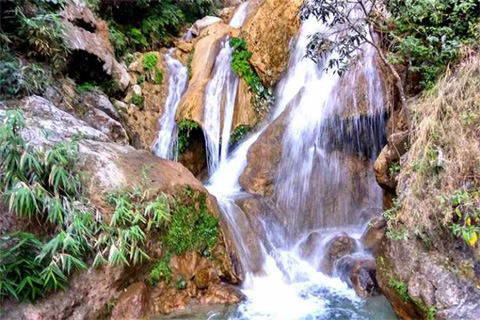
Neer Waterfall
Neer Garh Waterfall, also known as Neer Waterfall, is a beautiful waterfall located in Rishikesh, Uttarakhand, India. It is a popular destination for tourists and nature lovers, and offers a great opportunity to experience the beauty of nature in the region. The waterfall is located in the beautiful Neer Gaddu Valley, and is about 4 kilometers from the Laxman Jhula bridge in Rishikesh. It can be reached by foot, and the trek is moderate in difficulty. The waterfall is about 25 meters high, and the water falls into a natural pool at the bottom, which is great for swimming and bathing. The waterfall is surrounded by lush greenery, and the trek to the waterfall takes visitors through beautiful forests and valleys, with stunning views of the surrounding mountains. The best time to visit the waterfall is during the monsoon season (July-September), when the waterfall is at its full flow and the surrounding nature is at its greenest. There are several small food and souvenir stalls near the waterfall, where visitors can buy snacks and refreshments. Visitors are advised to wear comfortable shoes and dress appropriately for the trek, and to carry water and other essentials. The waterfall is a popular spot for adventure activities like rappelling and zip-lining, which can be organized with local tour operators.

Janki Setu
Janki Setu is a suspension bridge located in Rishikesh, Uttarakhand, India. The bridge is named after Sita, also known as Janki, the wife of Lord Rama from the Hindu epic, the Ramayana. Janki Setu is a pedestrian bridge that spans across the Ganges River in Rishikesh, and connects the two banks of the river. The bridge was constructed by the PWD (Public Works Department) of Uttarakhand in 2015, and was opened to the public in 2016. It is one of the newest and most modern bridges in Rishikesh. The bridge is about 150 meters long and 6 meters wide, and is a suspension bridge that is supported by steel cables and towers. The bridge can hold up to 8,000 people at a time. The bridge offers stunning views of the Ganges River and the surrounding mountains, and is a popular spot for photography and sightseeing. Janki Setu is located near the Parmarth Niketan ashram and the Triveni Ghat, and is easily accessible by foot or by auto-rickshaw. The bridge is particularly beautiful during the evening, when it is illuminated with colorful lights. Visitors can walk across the bridge and enjoy the beautiful views of the Ganges River and the surrounding scenery, and can also visit the nearby temples and ashrams.

Rajaji National Park
Rajaji National Park is a national park located in the state of Uttarakhand, India. It is spread over an area of 820 square kilometers and is located in the foothills of the Himalayas. The park was established in 1983 and is named after C. Rajagopalachari, a freedom fighter and the first Indian Governor-General of India. Rajaji National Park is home to a diverse range of flora and fauna, including several endangered species such as the Bengal tiger, Asiatic elephant, and leopard. The park is divided into two main regions - the eastern and western regions. The eastern region is dominated by sal forests and is home to animals such as tigers, leopards, and elephants, while the western region is characterized by a mix of vegetation and is home to species such as the sambar, chital, and barking deer. The park is also home to several species of birds, including the great hornbill, Himalayan pied kingfisher, and the crested serpent eagle. The park offers several opportunities for wildlife viewing and safaris, including jeep safaris, elephant safaris, and trekking. The best time to visit the park is from November to June, when the weather is pleasant and the chances of wildlife sightings are high. The park is located about 18 kilometers from the city of Haridwar, and can be easily reached by road. The park has several entry points and safari zones, including Chilla, Jhilmil Jheel, Motichur, and Ranipur. Visitors to the park are advised to follow the rules and regulations of the park, including not disturbing the wildlife, not littering, and not carrying any plastic items into the park.
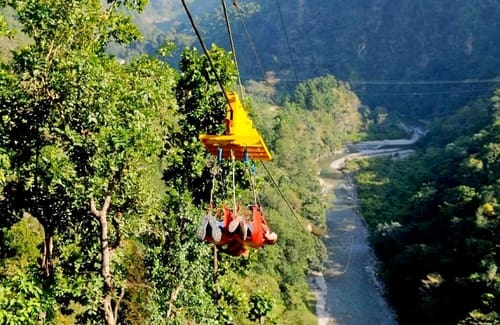
Mohanchatti Village
Mohanchatti is a small village located in Rishikesh, Uttarakhand, India. It is located on the banks of the Ganges River and is popular for adventure activities such as white water rafting, bungee jumping, and flying fox. Mohanchatti is located about 25 kilometers from Rishikesh and can be reached by road. The village is surrounded by lush green forests and the Ganges River flows through the region. Mohanchatti is a popular destination for adventure activities, and several tour operators offer white water rafting and other water sports in the area. The village is also known for its bungee jumping and flying fox experiences. The bungee jumping platform is located on a cliff overlooking the Ganges River and offers stunning views of the surrounding landscape. The flying fox experience involves being suspended from a cable and flying across the Ganges River while enjoying breathtaking views of the surroundings. Mohanchatti is also known for its natural beauty and is a popular destination for camping and trekking. The area is surrounded by lush green forests and offers several trails for nature walks and hiking. The best time to visit Mohanchatti is from September to June, when the weather is pleasant and conducive to outdoor activities. Visitors to Mohanchatti are advised to follow safety guidelines and regulations while engaging in adventure activities, and to use the services of authorized tour operators for a safe and enjoyable experience.
Brief History of Rishikesh

Rishikesh is a town in the Dehradun district of Uttarakhand, India. It is located at the foothills of the Himalayas, where the Ganges River flows down from the mountains. Rishikesh has a rich history dating back to ancient times, and is regarded as a center of spirituality and yoga.
In the 1960s, Rishikesh gained international fame as a result of a visit by the Beatles, who came to study meditation and yoga with Maharishi Mahesh Yogi. The Beatles stayed at the now-famous Maharishi Mahesh Yogi Ashram, also known as the Beatles Ashram, and their visit put Rishikesh on the world map.
Today, Rishikesh is a thriving town that attracts visitors from around the world. It is a center of spirituality, yoga, and adventure tourism, and offers a range of activities and experiences for visitors. The town is also known for its natural beauty, with the Ganges River flowing through it and the Himalayas serving as a stunning backdrop.
Geography of Rishikesh

Rishikesh is located at an altitude of approximately 372 meters (1,220 feet) above sea level.
The Ganges River flows down from the Himalayas and is joined by several tributaries in the region, including the Chandrabhaga, the Bhagirathi, and the Alaknanda rivers.
Rishikesh is surrounded by forests and the Shivalik range of mountains, which form a part of the Himalayas. The mountains are covered with lush green forests and are home to a wide variety of wildlife, including tigers, leopards, elephants, and deer.
The town has a subtropical climate, with hot summers and cool winters. The monsoon season typically lasts from June to September, and the town receives a significant amount of rainfall during this time.
Rishikesh is a popular destination for adventure tourism and outdoor activities, including white water rafting, hiking, and camping. The natural beauty of the region, combined with the spiritual and cultural significance of the town, make it a popular destination for both domestic and international visitors.
Rishikesh Rafting
The Ultimate Guide
Discover the Thrills of Rishikesh Rafting
Nestled in the foothills of the Himalayas, Rishikesh is a popular destination for adventure seekers from around the world. Known as the ‘Gateway to the Garhwal Himalayas,’ Rishikesh offers a unique combination of natural beauty and thrilling outdoor activities. At the top of the list is Rishikesh rafting, a heart-pumping adventure that is not to be missed. In this ultimate guide to Rishikesh rafting, we’ll cover everything you need to know to plan your perfect adventure.
What is Rishikesh Rafting?

Fun, adventure, and the great out-of-door experience begins in Rishikesh with rafting. it’s the most popular center for water rafting in India which attracts thousands of adventure seeking tourists every time. River rafting in the holy white water of the Ganges is one of the best water sport in Rishikesh. There are multiple points in Rishikesh that offers this water sport at affordable rates.
There are multiple rafting points from where you can start your rafting adventure, depending upon the grade and length of rafting. Grades are meant for adventure lovers they can accordingly choose at what grade they want rafting choosing their preferences and expertise.
Where to go for Rishikesh rafting?
Rishikesh is home to some of the best rafting in India. The most popular rafting stretch is from Shivpuri to Rishikesh, which covers around 16 kilometers and takes about 2-3 hours to complete. The rapids along the way include Roller Coaster, Golf Course, and Return to Sender, among others. The rafting stretch is accessible throughout the year, except during the monsoon season from July to September in Uttarakhand.
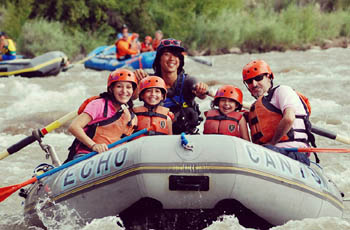
BRAHAMPURI TO RISHIKESH
( 9KMS ) ( SHORT AND EASY RAFTING )
The distance from Brahampuri to Rishikesh is the easiest and the short one, around 9kms. It is a Grade I rafting which is meant for the beginners. People of age group around 14-16 yrs, can enjoy this journey. It is closely a good rafting experience with more of fun as it is in river Ganga.COST PER PERSON - Rs 600/-
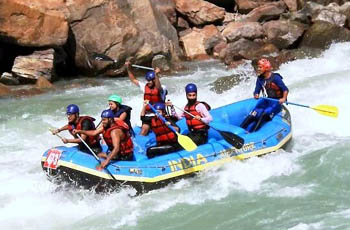
SHIVPURI TO RISHIKESH
( 16KMS ) ( EASY, BUDGET FRIENDLY, MOST SELLING )
It is located 18kms from Rishikesh, the season for rafting in Shivpuri starts in mid October and ends around June. Rafting from Shivpuri to Rishikesh is 16km, and covers some of exciting quick.COST PER PERSON - Rs 1000/-
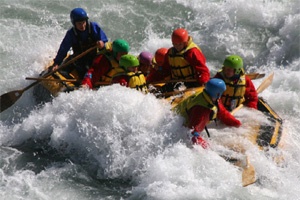
MARINE DRIVE TO RISHIKESH
( 26KMS ) ( MOST POPULAR AMONG TOURIST GROUPS )
The boating distance is around 27kms which takes about 2 hours to reach the destination. The rafting journey from Marine Drive to Rishikesh is of moderate level in comparison to Shivpuri ones.COST PER PERSON - Rs 1500/-
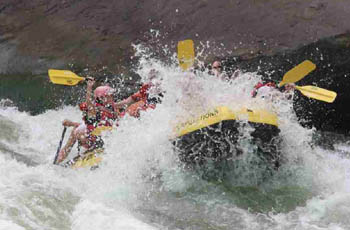
KAUDIYALA TO RISHIKESH
( 35KMS ) ( MEDIUM HARD, FOR EXPERIENCED )
We can say that this place is quite challenging as it offers the right amount of adventure to rafters covering 35km distance, this stretch includes both Grade III and Grade IV that put your strength and stamina till 1-4 hours. This is a area meant for well trained rafters.COST PER PERSON - Rs 2500/-
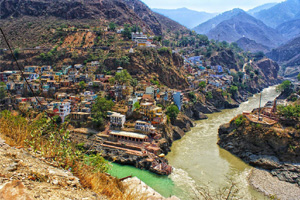
DEVPRAYAG TO RISHIKESH
( 75KMS ) ( VERY HARD, LONG DISTANCE )
This particular rafting from Devprayag needs good physic and stamina. The rafting from Devprayag to Rishsikesh is completed in 2 days, for the first day you will be rafting around 35kms via beas ghat and reaching Kaudiyala for night stay. On next day the another 35kms of distance will be covered till Rishikesh.COST PER PERSON - Rs 8000/-
What are the safety considerations for Rishikesh rafting?

Safety is of utmost importance when it comes to Rishikesh rafting. It is essential to follow the instructions of your guide and to wear the right gear, including a life jacket and a helmet. You should be comfortable swimming in case you fall out of the raft, and you should never try to navigate the rapids on your own. It’s important to choose a reputable rafting company that follows safety protocols and has experienced guides.
Do's
- Dress : Wear clothes which are airy and quick drying, and which are light weight. Bring extra pair of clothes along with you.
- WEAR A LIFE JACKET: It is mandatory to wear life jacket to not risk your life.
- WEAR A HELMET: Helmet is must during rafting and every safety equipment provided.
- WEAR PROPER SHOES: Do not wear slippers, flip flop, sneakers, water shoes are best type of shoes for river rafting.
- HELP YOUR FELLOWS BACK: If anything happens like any of your fellow rafter unintentionally fall into the water, do pull them back to the raft.
- PAY ATTENTION TO THE INSTRUCTOR: Instructor are going to keep you safe, pay attention to the safety precautions they ask you to follow.
- RAFTING IS A TEAM ACTIVITY: Always follow teammates, never do anything individually.
Dont's
- DO NOT STAND: During a moving raft, do not stand up at all. If you do so you can fall by chance and can risk your life.
- DON’T DRINK: Do not drink alcohol, or bring it at all, it is dangerous during rafting.
- DON’T BE OVERCONFIDENT: Don’t show your heroic stuff, stunt, or skills to impress other during rafting.
- AVOID UNWANTED PARTICLES: If by chance you see any tree branches or fallen debris avoid them and take other route.
- DO NOT WEAR DAMAGED OR LOOSE LIFE JACKETS: It may affect you safety and risk your life if anything happens during rafting.
- DO NOT RAFT IN FOLLOWING CONDITIONS: Pregnant women, Asthmatic and Heart Patients are restricted for river rafting, if you have any fracture, injuries, or other medical conditions.
What should you bring on a Rishikesh rafting trip?

When going on a Rishikesh rafting trip, it’s important to bring the right gear. You should wear quick-drying clothes, such as swimsuits or synthetic fabrics, and bring a change of clothes for after the trip. Additionally, you should wear shoes that will stay on your feet, such as water shoes or sandals with straps. You may also want to bring a waterproof camera or a GoPro to capture the experience.
- BATHING SUIT, SHORTS, SANDOS, T-SHIRT
- SUNSCREEN, ANTISEPTIC CREAM, SUNGLASSES
- SNEAKERS, SWIMMING GLASSES
- WATERPROOF CAMERA, OR WATERPROOF BAG FOR YOUR ELECTRONIC DEVICES THAT YOU WANT TO CARRY ALONG WITH YOU.
- PROTEIN BARS, WATER, SOFT DRINKS, TIGHT LOCK WATERPROOF BAGS
- EXTRA TOWEL, UNDERGARMENTS, PLASTIC CARRY BAG (FOR WET THINGS)
- QUICK DRYING CLOTHES
Other activities to enjoy in Rishikesh

Other activities to enjoy in Rishikesh Apart from rafting, Rishikesh offers a range of other adventure activities, including bungee jumping, zip-lining, and rock climbing. You can also explore the local markets and indulge in some shopping or visit the numerous ashrams and temples that Rishikesh is famous for.
- Visit the Triveni Ghat: It is a famous bathing ghat located on the banks of the Ganges river where locals and tourists take a dip in the holy river.
- Attend the Ganga Aarti: It is a spiritual ceremony held every evening at Parmarth Niketan Ashram where you can witness the ritual of offerings to the holy river.
- Try adventure sports: Rishikesh is known for adventure sports like white water rafting, bungee jumping, and zip lining. You can find various adventure sports organizers in the city.
- Visit the Beatles Ashram: It is a famous ashram that was once home to the Beatles. You can explore the beautiful graffiti and meditation caves here.
- Visit the Neer Garh Waterfall: It is a beautiful waterfall located near Rishikesh where you can enjoy a picnic and a swim.
- Explore the Rajaji National Park: It is a beautiful national park located near Rishikesh where you can enjoy a jeep safari and spot various species of wildlife.
- Take a yoga class: Rishikesh is known as the yoga capital of the world, and there are various yoga centers and ashrams where you can learn and practice yoga.
- Visit the Trimbakeshwar Temple: It is a beautiful temple located in the heart of the city where you can offer prayers and seek blessings.
- Attend a meditation session: Rishikesh is also known for its meditation centers where you can learn and practice different forms of meditation.
- Visit the Lakshman Jhula: It is a famous suspension bridge located in Rishikesh, where you can enjoy a walk while enjoying the scenic views of the Ganges river.
Book Rishikesh rafting Package
Rishikesh rafting is an adventure that you won’t forget. With the stunning Himalayan scenery and the thrill of navigating the rapids of the Ganges River, it’s an experience that is sure to leave you breathless.
Here is our 2 days rishikesh rafting package ternary, Which can also be customized as per your need.
Day 1:
- Reach Rishikesh in the morning and check into our beautiful camp / hotel that we will book for you.
- After breakfast, we take you to the rafting starting point as per your chosen rafting stretch in our vehicle where you will attend a briefing session.
- Start the rafting adventure on the Ganges river and enjoy the scenic views and rapids during the rafting. The time will depend on the stretch that you have chosen.
- We will bring you back to the camp for a tasty lunch after which you can take rest for some time.
- In the evening you can go to Treveni Ghat to attend the Ganga Aarti ceremony.
- Back to Camp and enjoy your dinner at the camp with bonfire and music. Retire for the good night back in the camp.
Day 2:
- Start your day with an early morning yoga session at a local ashram that we can suggest you.
- After breakfast you will checkout from the camp.
- You can now go out to explore rishikesh in your own vehicle.
- You can go to beetle ashram, laxman jhoola, neelkanth mahadev temple, bungee jumping or more.
- Stop for lunch at a local restaurant.
- In the evening, you can explore the local markets for some souvenir shopping.
- Later proceed to your destination back.
Note: This itinerary can be customized based on your preferences and the duration of your trip and can include more activities in it.
Camping In Rishikesh
It's Time to Start Your Adventures
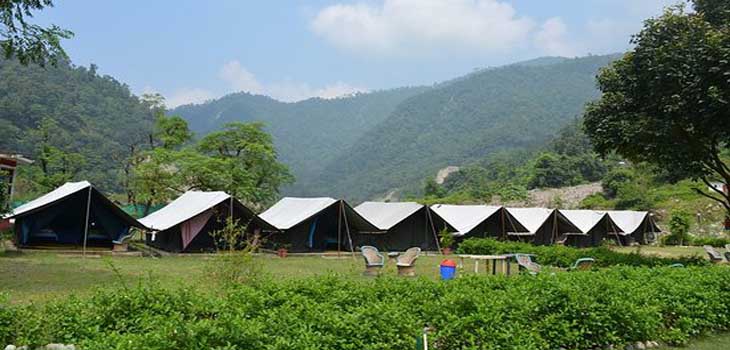
Camping is an excellent way to connect with nature and enjoy a sense of adventure, and there is no better place to do it than in Rishikesh, Uttarakhand. Located in the foothills of the Himalayas, Rishikesh is a popular destination for adventure enthusiasts and nature lovers alike. With its pristine natural surroundings, Rishikesh offers an unparalleled camping experience that can rejuvenate your mind, body, and soul. In this article, we will explore why, where, and how to go camping in Rishikesh.
Why go camping in Rishikesh?
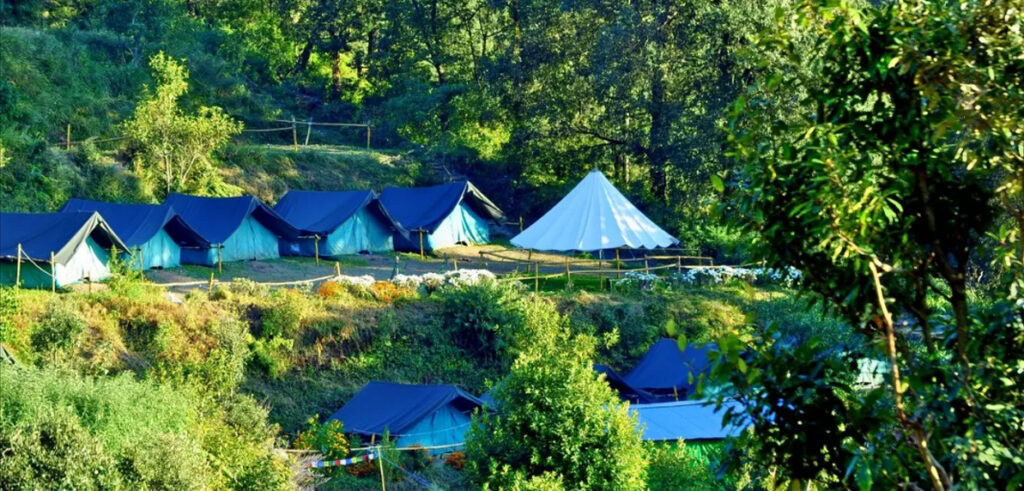
Camping in Rishikesh is a great way to escape the hustle and bustle of city life and experience the tranquility of nature. The town is surrounded by lush green forests, the majestic Himalayas, and the mighty Ganges river, making it an ideal location for camping. The cool and fresh mountain air, the breathtaking scenery, and the peaceful environment make Rishikesh a haven for those seeking a break from the chaos of city life.
Rishikesh is also famous for its adventure activities, and camping is a great way to combine adventure with nature. You can enjoy a range of thrilling outdoor activities like rafting, trekking, rock climbing, and bungee jumping, all while camping in the beautiful surroundings of Rishikesh.
Where to go camping in Rishikesh?
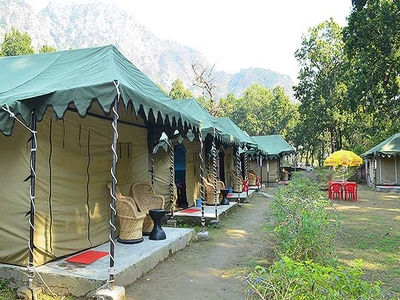
There are several camping sites in Rishikesh that offer a variety of experiences for every type of camper. Here are some of the best places to go camping in Rishikesh:
Shivpuri: Shivpuri is one of the most popular camping sites in Rishikesh. It is located on the banks of the Ganges and offers stunning views of the river and the surrounding hills. You can enjoy a range of adventure activities like rafting, kayaking, and trekking, and relax in the peaceful environment of the campsite.
Byasi: Byasi is another great location for camping in Rishikesh. It is located about 30 km from Rishikesh and offers a more secluded camping experience. The campsite is surrounded by dense forests and offers breathtaking views of the hills and the river. You can enjoy a range of adventure activities like rafting, kayaking, and rock climbing, and explore the nearby waterfalls and temples.
Kaudiyala: Kaudiyala is a remote camping site located about 40 km from Rishikesh. It is surrounded by the dense forests of Rajaji National Park and offers stunning views of the hills and the river. You can enjoy a range of adventure activities like rafting, trekking, and rock climbing, and explore the nearby waterfalls and temples.
Ghattu Ghat: Ghattu Ghat is a less popular camping site located about 20 km from Rishikesh. It is located on the banks of the Ganges and offers stunning views of the river and the surrounding hills. You can enjoy a range of adventure activities like rafting, kayaking, and trekking, and relax in the peaceful environment of the campsite.
3 Nights 2 Days Camping Package
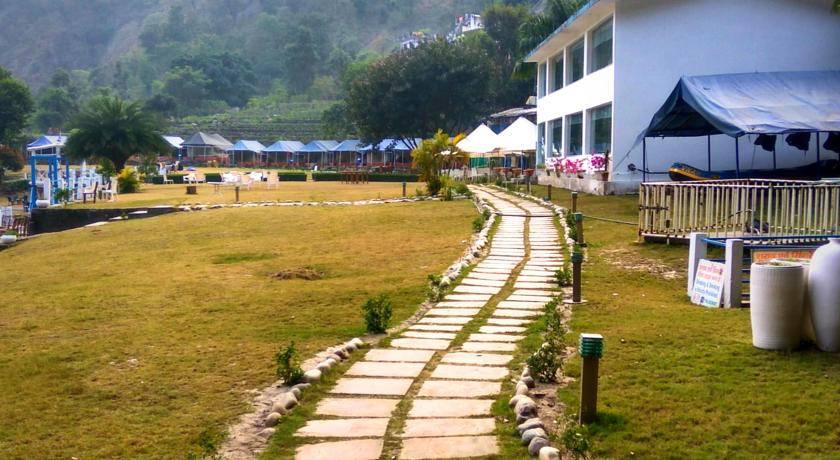
Here is our 2 night, 3-day camping itinerary for you in Rishikesh:
Day 1:
- Arrive at Rishikesh in the morning and check in at the campsite
- Enjoy a delicious breakfast and relax for a while
- After that, indulge in some adventure activities like white water rafting, kayaking, bungee jumping, or zip-lining.
- Come back to the campsite for a hot lunch and spend some time relaxing by the river.
- In the evening, enjoy some snacks and tea, followed by a bonfire and dinner.
- Retire to your tents for the night.
Day 2:
- Start the day with some yoga and meditation on the banks of the river.
- Enjoy breakfast and then embark on a short hike to a nearby waterfall, enjoying the scenic views along the way.
- Return to the campsite for lunch and spend the afternoon at leisure.
- In the evening, go for a nature walk, birdwatching or simply relax by the river.
- Enjoy dinner and some stargazing before retiring to your tents for the night.
Day 3:
- Wake up early to witness the sunrise and the beauty of the morning in the serene surroundings.
- After breakfast, head back to Rishikesh, stopping at the Beatles Ashram and other popular tourist spots along the way.
- You can also indulge in some shopping for souvenirs and local items in the Rishikesh market.
- Depart from Rishikesh with a refreshed mind, body and soul.
This itinerary is just a suggestion and can be customized based on your preferences and interests.
Note : Images above are only for representative purpose.
Yoga In Rishikesh
What is Yoga ?
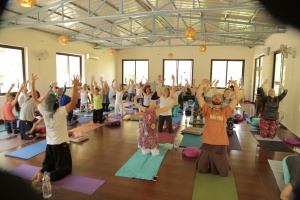
The physical postures of yoga are designed to prepare the body for meditation by releasing tension and promoting relaxation. In addition, the breath is considered to be a vital aspect of yoga practice, and breathing techniques are used to calm the mind and increase focus.
Overall, yoga is a holistic practice that is designed to promote physical health, mental clarity, and spiritual growth. It is accessible to people of all ages and fitness levels, and can be adapted to suit individual needs and abilities.
Why Rishikesh Is Famous For Yoga
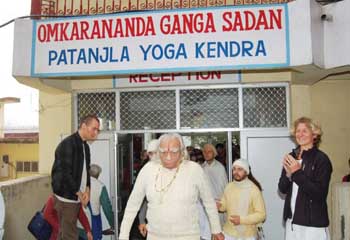
Rishikesh is widely considered to be the “Yoga Capital of the World” because it has a long history of yoga practice and is home to many renowned yoga masters and teachers.
Today, Rishikesh is home to numerous yoga centers, ashrams, and schools that offer a range of yoga programs and courses for people of all levels and abilities. The town is known for its serene and peaceful atmosphere, natural beauty, and spiritual energy, all of which make it an ideal place for yoga and meditation practice.
The Ganges river, which flows through Rishikesh, is also considered to be a sacred river in Hinduism, adding to the spiritual energy of the town. For these reasons, Rishikesh has become a popular destination for people from all over the world who are interested in practicing yoga, learning about Indian culture and spirituality, and experiencing the transformative power of yoga.
Top Yoga Schools In Rishikesh
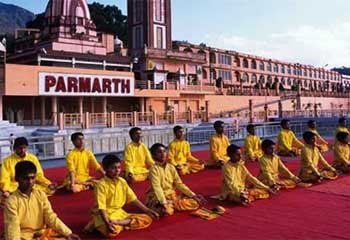
Parmarth Niketan: One of the most renowned yoga centers in Rishikesh, Parmarth Niketan offers a range of yoga and meditation courses, including daily yoga classes, special workshops, and yoga teacher training programs.
The Yoga House: The Yoga House is a popular yoga center in Rishikesh that offers a variety of yoga and meditation classes, as well as Ayurvedic treatments and therapies.
Rishikul Yogshala: Rishikul Yogshala is a well-known yoga school in Rishikesh that offers yoga teacher training courses, as well as drop-in yoga classes and workshops.
Sivananda Ashram: The Sivananda Ashram is a traditional ashram that offers yoga and meditation courses, as well as a range of spiritual and cultural programs.
Anand Prakash Yoga Ashram: Anand Prakash Yoga Ashram offers yoga teacher training programs and drop-in yoga classes, as well as courses in Ayurveda and other healing arts.
Tattvaa Yogashala: Tattvaa Yogashala is a popular yoga school in Rishikesh that offers yoga teacher training programs, as well as daily yoga classes and workshops.
These are just a few of the many yoga centers and ashrams in Rishikesh. Each center has its own unique approach to yoga and meditation, so it’s important to research and choose a center that aligns with your interests and goals.
Types of Yoga's
There are many different types of yoga, each with its own unique approach to physical postures, breathing techniques, meditation, and philosophy. Here are some of the most popular types of yoga:
Hatha Yoga: This is a classic form of yoga that focuses on physical postures and breathing techniques to prepare the body for meditation. It is a gentle, slow-paced practice that is suitable for all levels.
Vinyasa Yoga: This is a dynamic, flowing form of yoga that synchronizes movement with breath. It can be a more challenging practice, as it involves a series of continuous, fluid movements.
Ashtanga Yoga: This is a physically demanding form of yoga that involves a set series of postures performed in a specific order. It is a vigorous practice that builds strength and flexibility.
Iyengar Yoga: This is a precise form of yoga that emphasizes alignment and uses props, such as blocks and straps, to help students achieve correct postures. It is a great practice for beginners and those with injuries.
Kundalini Yoga: This is a spiritual form of yoga that incorporates physical postures, breathing techniques, and meditation to awaken the energy at the base of the spine and promote spiritual growth.
Yin Yoga: This is a slow, meditative form of yoga that involves holding postures for several minutes to release tension and promote relaxation.
Restorative Yoga: This is a deeply relaxing form of yoga that involves using props to support the body in passive postures for extended periods of time. It is a great practice for reducing stress and promoting deep relaxation.
These are just a few of the many types of yoga available. Each practice has its own unique benefits and can be adapted to suit individual needs and abilities.
TYPES OF PRANAYAMA
- NADI SHODHANA PRANAYAMA: It is known as Nadi Shodhana Pranayama in Sanskrit, this translates as “subtle enrgy clearing breathing method”. This type of breath work can be done as part of a yoga or meditation practice. Alternate nostril breathing can also be done as its own practice to help you quiet and still your mind. The benefits of this pranayama are, it clears and release toxins. Reduces stress and anxiousness, calms the nervous system, balances hormones, clear and balance respiratory canals.
- BHASTRIKA PRANAYAMA: This is a process of rapid inhalation and exhalation which gives a lift to the body and suitably called the yogic breath of fire. If your body feels like it needs energy try bhastrika pranayama. It is good in energizing the body and mind, it also helps remove toxins and impurities, it helps in the sinus, bronchitis and other respiratory issues.
- KAPALBHATI PRANAYAMA: Kapalbhati is the rapid breathing technique of Pranayama, which is considered as a cure for various affections. The possible use of this technique to combat metabolic syndrome(MS) and polycystic ovarian syndrome(PCOS) has been discussed in this article. It is best for strengthening the functions of the liver and kidneys. It also helps, causing hair growth, and detoxifying your skin. Also, the Kapalbhati breathing benefits also include soothing sinus and asthma.
- BHRAMARI PRANAYAMA: Bharmari Pranayama, also known as humming bee breath, is a comforting breathing practice that soothes the nervous system and helps to connect us with our inner nature. Advantages of Bhramari Pranayama are calm and quite the mind, release cerebral tension, soothes the nerves, relieves stress and anxiety, dissipates anger, lower blood pressure, boost health of the throat, strengthens and improves the throat.


- ANULOM VILOM: It is a especial type of pranayama, or controlled breathing in yoga. It involves holding one nostril closed while inhaling, then holding the other nostril closed while exhaling. The process is also reversed and repeated. This has many physical and psychological benefits, including: improved breathing, improved cardiovascular function, stress reduction.
- SHEETALI PRANAYAMA: Sheetali pranayama also known as cooling breath, is a breathing practice that actually effectively cools the body, the mind, and the emotions. Sheetali comes from the Sanskrit, sheet which means “cold” or ‘frigid”. Benefits of sheetali pranayama are: balances excess pitta, cools the body and clears excess heat, promotes optimal digestion, soothes inflammatory skin conditions, calms the mind, reduces fever, reduces blood pressure.
- SURYA BHEDNA PRANAYAMA: Surya Bhedna is a warming pranayama or breath work, concentrated on one nostril: the right surya, or sun, refers to the right nostril of the nose which is connected to the Pingala nadi of the body. It increases the flow of gall and reduces Phlegm and gas in the body. It also improves blood circulation and purification. Surya bhedna pranayama improves digestion and delays aging.
- CHANDRA BHEDNA PRANAYAMA: This is a yoga breathing technique performed in a cross-legged meditation posture. It involves blocking the right nostril, forcefully inhaling through the left nostril, retaining the breathe as long as comfortable blocking the left nostril, and exhaling through the right nostril. It is beneficial in regulating the flow of bile. Daily practice reduces heart practice reduces heart burns or excessive heat in the body.
TYPES OF ASANAS
- BHUJANGASANA: (COBRA POSE) Bhujanagasana is the Sanskrit name for a popular yoga asana, else also known as cobra pose. It is a slow backbend, most generally performed as part of Sun Salutation. The term bhujangasana is deduced from two Sanskrit roots; bhujanga meaning “snake” and asana meaning “posture”. Bhujangasana is actually very useful to keep your back healthy, This also improves your digestion, liver and kidney functions as well.
- TADASANA: A simple standing asana, which forms the base for all the standing asanas. It is performed at the start and close of the surya namaskar sequence and is a key asana for all yoga practices. Tadasan (from the Sanskrit words “tada” meaning “mountain” and “asana” meaning “pose”) is a introductory yoga pose where the yogi plants their feet on the ground as their body stands firm and straight. It centers your body and mind, which helps produce a calm sense of inner peace. Standing strong and centered in pose, helps to improve posture alignment, and balance.
- SUN SALUTATION: One of the means of recognizing the sun is through the dynamic asana sequence surya namaskar( better known as sun salutation). The important benefits of day-to-day sun salutation: Become centered and grounded, produce focus for your day, gain muscle and flexibility, leave your pride behind, boost the immune system and overall health, de-stress and find inner peace.
- DHANURASANA: Dhanurasana is a back bend that deeply opens the chest and the front of the body. This pose is a complete yoga asana that helps to strengthen the back and abdominal muscles. The health benefits may include enhancing blood rotation, adjusting hunched back and body posture, managing diabetes, digestive ailments and chest ailments etc.
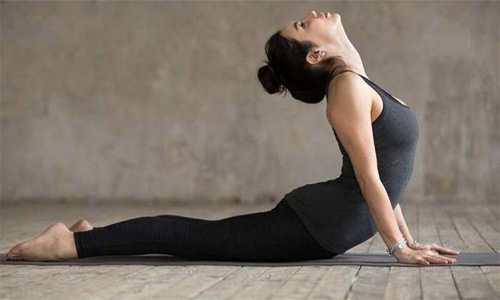


- MAKARASANA: Makarasan or crocodile pose is a reclining asana that relaxes the body, stimulates the sacral chakra, and can even be used for contemplation or pranayama. This crocodile pose is a deeply restrotive pose that helps relax your nervous system and strengthens the muscle in your back.
- DANDASANA: Dandasana or staff pose is a seated asana in ultra-modern yoga as exercise. When performed rightly, Dandasaana strengthens all major core muscles, improves posture, and increases stamina, it also strengthens back muscle, stretches the spine, stretches shoulders and chest, helps to calm brain cells, improve functionality of the digestive organs.
- CHAKRASANA: It is a strong back-bending yoga asana, it is popular in numerous forms of yoga and is part of the primary series of ashtanga yoga. Chakrasana, also benefits a deep stretch for the chest and shoulder muscles, as well as the hip flexors. It also strengthens the hamstrings and spinal extensors.
- NATRAJASANA: It is a standing asana that requires balance and attention. Natrajasana lord of the dance pose or dancer pose in a standing, balancing, back-bending asana in modern yoga as exercise. It is derived from a pose in the classical Indian dance form Bharatnatyam, which is depicted in temple statues in the Natraja Temple Chidambaram. Rehearsing this asana gives strength to your chest, ankles, hips, and legs, this asana increases your metabolism and helps in weight loss, it helps to improve your digestion.